
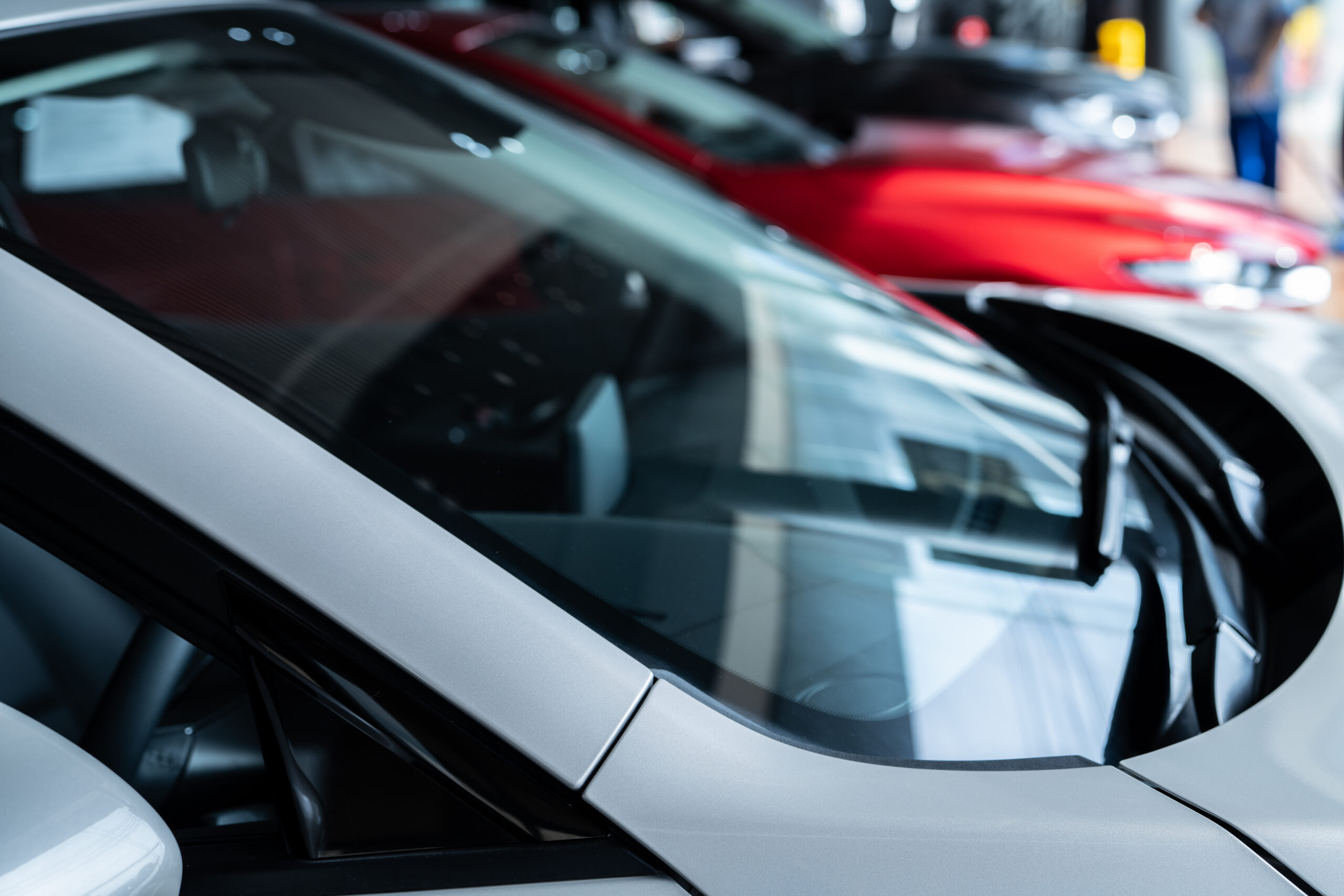
Your windshield is much more than just a piece of glass designed to keep the wind and rain out of your face. In modern vehicles, auto glass is a critical structural safety element, a key part of your vehicle’s airbag deployment system, and the central hub for advanced driver-assistance features.
When a stray rock hits your windshield on the highway, it’s easy to brush off a minor chip or small crack as a cosmetic issue. However, addressing glass damage quickly is essential to maintaining your vehicle’s safety, saving money, and staying compliant with road regulations.
1. Structural Safety: Why Timely Auto Glass Repair Matters
Your windshield provides up to 30% of your vehicle’s structural strength during a rollover collision. If the roof begins to collapse, a fully intact windshield acts as a crucial support pillar. Additionally, front passenger airbags rely on the windshield to rebound properly when deploying toward the passenger. If the glass is compromised, the airbag may force the windshield outward instead of protecting the occupant.
Ignoring a small rock chip often leads to larger, non-repairable cracks as temperature shifts, vibrations, and road bumps exert stress on the glass. Professional auto glass repair services can often fix smaller chips quickly and affordably before they spread, saving you the expense of a complete replacement.
2. Navigating Insurance Coverage
One of the most common questions vehicle owners ask is whether auto glass replacement or repair is covered by insurance. In most cases, if you carry comprehensive auto insurance, glass damage is covered.
- Repair vs. Replacement: Many insurance companies will waive your deductible entirely if the glass can be repaired rather than replaced. Because repairing a chip is faster and cheaper, insurers encourage drivers to fix minor damage early.
- Filing a Claim: Auto glass shops often handle the insurance claims process directly on your behalf, coordinating with your provider to verify coverage and minimize out-of-pocket costs.
3. Modern Glass: ADAS and Camera Calibration
In recent years, windshield replacement has evolved far beyond removing old glass and gluing down a new panel. Most modern vehicles are equipped with Advanced Driver Assistance Systems (ADAS), which use cameras, sensors, and radar mounted behind the windshield to power features like:
- Automatic Emergency Braking (AEB)
- Lane Departure Warning and Lane Keeping Assist
- Adaptive Cruise Control
- Blind-spot Monitoring
When a windshield is replaced, the camera mounted behind it is disconnected and reattached. Even a microscopic shift in the angle of the camera can throw off the entire ADAS system. For instance, a camera misaligned by just a fraction of a millimeter could miscalculate the distance to a braking car ahead by several feet.
This is why ADAS calibration—either dynamic (driven on the road under specific conditions) or static (performed in a controlled shop setting using targeted patterns)—is mandatory during windshield replacement. Always ensure your auto glass service provider performs precise calibration to guarantee your vehicle’s safety systems function exactly as intended.
Drive Safe, Act Fast
Whether you have a minor rock chip or need a full windshield replacement with ADAS calibration, taking fast action ensures your safety on the road. Keep your vision clear and your vehicle’s safety features active by consulting an expert at the first sign of glass damage.
Comments are closed